
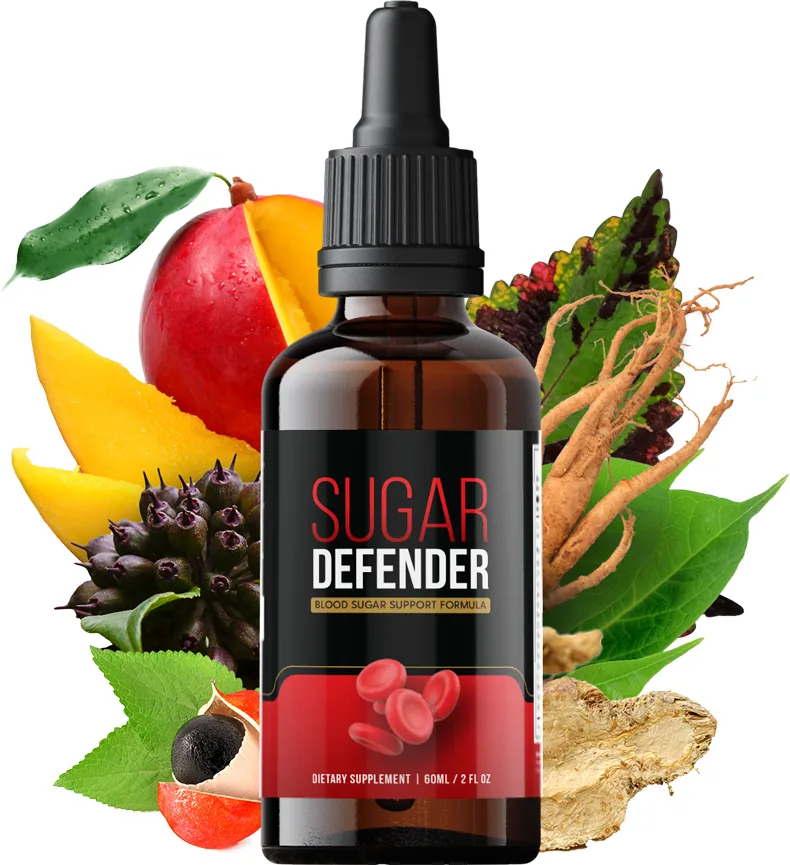
Introduction & What Is Sugar Defender?
Sugar Defender is a liquid supplement sold in a 60 mL (2 fl oz) dropper bottle, marketed as a "blood sugar support formula." The label states 60 servings of 1 mL each, taken once daily. It is distributed by sugardefender.com from an address in Aurora, Colorado, with ClickBank handling checkout.
Blood sugar is a category that deserves more care than most. These products are marketed to people who often have a diagnosed condition, take prescription medication, and face real consequences if their management slips. A product that leads someone to skip a dose, delay an appointment, or assume things are handled costs more than the purchase price.
This review has an unusual amount to work with. The full supplement facts panel is published, listing every ingredient and two stated amounts. That transparency is genuinely creditable, and it also makes one number checkable in a way that settles the central question. The label states the product contains 0.7 micrograms of chromium, which it reports as 2 percent of the daily value.
Chromium is the ingredient in this category with the most credible evidence behind it. Understanding what 0.7 micrograms means next to that evidence is most of this review. Disclosure, as on every page of this site: we are independent reviewers, and purchases through our links may earn us a commission at no additional cost to you.
How Does It Work?
The product is presented as supporting healthy blood sugar and energy through a botanical and amino acid blend, with chromium as a named mineral inclusion.
The sales materials we could examine are the affiliate resource pages the vendor supplies to marketers, and these are informative about how the product is positioned. Affiliates are offered a choice of headlines for the pages they send traffic to, including:
- "Doctors Shocked: Can This Enzyme Bust Diabetes?"
- "Do This Before Bed to Reset Blood Sugar Levels"
- "Scientists: Activate These Cells for Stable Blood Sugar"
- "Resets Your Blood Sugar While You Sleep: Simple Nightly Ritual Revealed"
The highest-converting funnel is labelled the "Zombie Cells Story."
Two observations about that first headline. It names a disease, and the vendor's own footer carries the required statement that the product "is not intended to diagnose, treat, cure or prevent any disease." Those two things sit on the same website. And it is aimed at people who may have diabetes, a condition where the effectiveness of what someone relies on is not a trivial matter.
The question mark in "Can This Enzyme Bust Diabetes?" is doing legal work. It converts an assertion into an inquiry while communicating the assertion, which is a well-worn device and worth naming when it appears in health marketing aimed at a diagnosed population.
Core Ingredients Analysis
The label lists chromium at a stated amount, followed by a 200 mg proprietary herbal blend containing 22 further ingredients.
| Component | Amount on label | What the research uses |
|---|---|---|
| Chromium (as chromium picolinate) | 0.7 mcg (2% DV) | 200 to 1,000 mcg daily in glycemic trials |
| Proprietary herbal blend | 200 mg total, 22 ingredients | See below |
| Gymnema sylvestre leaf extract | Undisclosed share of 200 mg | 200 to 800 mg daily alone |
| Green tea leaf extract | Undisclosed share of 200 mg | 200 to 800 mg extract |
| Panax ginseng root extract | Undisclosed share of 200 mg | 200 to 400 mg daily |
| Coleus forskohlii, maca, guarana, African mango, eleuthero, astragalus, grape seed, capsicum, grapefruit seed, raspberry ketones | Undisclosed share of 200 mg | Typically 100 mg to several grams each |
| L-glutamine, L-tyrosine, L-arginine, beta-alanine, L-ornithine, L-tryptophan, L-carnitine, GABA | Undisclosed share of 200 mg | Amino acids are typically dosed in grams |
| Monoammonium glycyrrhizinate | Undisclosed share of 200 mg | A licorice derivative. See safety notes. |
The chromium number, in context. This is the heart of the review, so it is worth being precise rather than rhetorical.
Chromium is the one ingredient in blood sugar supplements that independent bodies describe with any qualified support. The NIH's complementary health center's page on diabetes and dietary supplements notes that chromium may help improve HbA1c, fasting glucose and insulin resistance in type 2 diabetes, while describing the overall evidence as limited. The trials behind that statement generally used 200 to 1,000 micrograms daily.
This product contains 0.7 micrograms. That is roughly 285 to 1,400 times less than the researched range.
For a different frame of reference, the Adequate Intake for chromium for adults is around 25 to 35 micrograms per day, obtained from ordinary food. The label's own "2% DV" figure states this plainly: a daily serving supplies about one fiftieth of a normal daily intake. A slice of wholemeal bread, a portion of broccoli, or a glass of grape juice each contain substantially more chromium than a day's serving of this product.
We want to be fair about what this does and does not mean. The label is honest. It prints the number, and it prints the percentage. Nothing is hidden, and the vendor deserves credit for a compliant, complete panel where several competitors publish nothing. The issue is not concealment. It is that the ingredient carrying the category's best evidence is present in an amount that the evidence does not speak to.
The 200 mg blend, by arithmetic. Twenty-two ingredients share 200 mg. If they were divided equally, each would be about 9 mg. Gymnema, the botanical with the most blood sugar research in the list, is studied at 200 to 800 mg on its own, which is the entire blend several times over. Green tea extract and Panax ginseng are in similar territory. The amino acids are more striking still, since L-glutamine, L-arginine and L-carnitine are conventionally dosed in grams, and beta-alanine's research uses several grams daily.
Because the blend is proprietary, the split is undisclosed. But the 200 mg ceiling is fixed, and the ceiling alone answers the question for every ingredient in it.
Safety notes, which matter here more than usual.
Monoammonium glycyrrhizinate is a licorice derivative. Glycyrrhizin can cause sodium retention, potassium loss and raised blood pressure through a pseudoaldosteronism effect, and this is a documented pharmacological property rather than a theoretical one. It is relevant because hypertension frequently accompanies the metabolic conditions this product targets, and because anyone taking diuretics or blood pressure medication has a specific reason to know. At an undisclosed share of 200 mg the quantity is likely small, but a reader cannot confirm that.
L-tryptophan can interact with SSRIs, SNRIs and other serotonergic medication, with serotonin syndrome the concern at meaningful doses.
Gymnema and chromium can both affect blood glucose, which is the relevant interaction for anyone taking diabetes medication. This is not hypothetical, and it is straightforward to monitor once a doctor knows.
Guarana, green tea and capsicum are stimulant or stimulant-adjacent inclusions, worth knowing for anyone sensitive to caffeine or managing blood pressure.
The label carries appropriate warnings: not for use under 18, and consult a physician if pregnant, nursing or taking medication.
Real User Benefits & Drawbacks
Pros
- A complete, compliant supplement facts panel listing all 23 ingredients.
- Chromium is stated with an exact amount and percent daily value rather than hidden in a blend.
- The proprietary blend total is printed, which allows dose arithmetic.
- A distributor name, physical US address and support email are published.
- Label warnings cover pregnancy, nursing, medication and age.
- ClickBank is the retailer, so refunds are processed by a third party.
- Sweetened with stevia and xylitol rather than sugar, which is coherent for the audience.
Cons
- Chromium at 0.7 mcg is roughly 285 to 1,400 times below the researched range.
- Twenty-two ingredients share a 200 mg blend, placing all of them far below studied doses.
- Affiliate-supplied headlines include a diabetes claim, on a site whose own disclaimer denies disease claims.
- "Resets Your Blood Sugar While You Sleep" is offered to marketers as a headline.
- Contains a licorice derivative with blood pressure implications, unflagged in the marketing.
- Contains L-tryptophan, which interacts with serotonergic medication.
- No clinical trial of the finished product exists.
Pricing, Packages & Refund Policy
The vendor's materials available to us show three package sizes, of two, three and six bottles, with two bonus digital guides included on the larger options, and a "100% money back guarantee" badge. The sales page itself was not among the materials we examined, so we are not going to state prices or a refund term in days that we have not verified.
What we can say is this. ClickBank is the retailer, which means the refund route is processed by the platform rather than at the seller's discretion, and that is a genuine structural protection that applies to every ClickBank product. The guarantee badge does not state a term. Confirm both the price and the refund window at checkout before ordering, and treat any figure quoted on a third-party review page, including a discounted one, as unverified: the vendor's own affiliate terms explicitly prohibit affiliates from advertising discounted or incorrect pricing, which is a reasonable indication that incorrect prices circulate.
Each bottle is a 60-day supply at the labelled dose of 1 mL daily.
How It Compares to the Alternatives
| Comparison point | Sugar Defender | Gluco6 (also reviewed here) |
|---|---|---|
| Full ingredient list published | Yes, all 23 | Yes, all 6 |
| Blend total stated | 200 mg | 525 mg |
| Chromium amount | 0.7 mcg, stated | Within the blend, unstated |
| Ingredients per milligram of blend | 22 in 200 mg | 6 in 525 mg |
| Product-level trial | None | None |
Sugar Defender is more transparent than most of this category and more dilute than most of it. Those are not in tension: publishing the number is what allows the dilution to be seen. A reader is better served by a product that prints 0.7 mcg than by one that hides an equally small amount inside an undisclosed blend, even though the second may look better on a label.
Against a plain chromium picolinate supplement, the comparison is stark. A standalone chromium product typically supplies 200 mcg for a few dollars a month, matching the low end of the researched range. Anyone whose interest in this product is specifically its chromium content would be looking at that instead, after asking a doctor whether it is appropriate.
Against non-commercial approaches, the comparison runs through this entire category. The NIH's diabetes institute maintains a plain-language guide to managing diabetes, covering the interventions with the strongest evidence. The Diabetes Prevention Program found intensive lifestyle change outperformed metformin at preventing progression from prediabetes to type 2 diabetes, which remains one of the more important findings in this area.
What the Independent Research Actually Says
On supplements for blood sugar generally. The NCCIH's page on diabetes and dietary supplements states plainly that for most supplements there is not evidence to support a beneficial effect on diabetes or its complications. Chromium is the qualified exception noted above.
On chromium. The evidence is genuinely limited and genuinely non-zero. Meta-analyses have produced inconsistent results, with effects appearing more often in people with poorer baseline glycemic control. The indexed meta-analytic literature on chromium and glycemic control shows both the volume and the inconsistency. All of it concerns doses in the hundreds of micrograms.
On gymnema. Preliminary work on glucose markers and sugar cravings, at doses that are multiples of this product's entire blend.
On the regulatory position. The FDA has warned consumers specifically about products claiming to replace diabetes medicine, noting they are harmful when used in place of effective treatment. Under the dietary supplement framework, products are not reviewed for safety or efficacy before marketing.
On the finished product. No clinical trial of Sugar Defender appears in the indexed literature.
What to Expect: A Realistic Timeline
Weeks one to four. One millilitre daily. The stimulant ingredients may be noticeable to caffeine-sensitive people. Blood glucose responds within days to dietary change, so anyone starting this product alongside dietary attention may see movement attributable to the diet.
Months two and three. HbA1c reflects roughly the preceding three months of glucose, so it is the measure that would show a real effect, and it takes this long to move. Anyone using this product should keep testing on whatever schedule their doctor set, because the numbers are the only reliable feedback and how a person feels is not.
Beyond. The most important thing on any timeline here is that prediabetes and early type 2 diabetes respond well to intervention and the response window is finite. Time spent on an intervention that is not working is not neutral.
Who This Applies To, and Who Should Avoid It
Anyone taking diabetes medication should tell their doctor before adding this or any similar product. Gymnema and chromium can both affect glucose, and where medication is titrated to a person's readings, an additional variable matters.
Anyone with high blood pressure, or taking diuretics or antihypertensives, should note the licorice derivative and discuss it, since glycyrrhizin's effect on sodium, potassium and blood pressure is well characterized.
Anyone taking an SSRI, SNRI or other serotonergic medication should note the L-tryptophan.
The label states not for use under 18, and to consult a physician if pregnant or nursing.
Most importantly: anyone with symptoms suggesting high blood sugar, such as unusual thirst, frequent urination, unexplained weight loss, blurred vision or slow-healing wounds, needs a blood test rather than a supplement. Those are the presenting symptoms of diabetes, and the condition is diagnosed with a simple test and managed effectively once identified.
Frequently Asked Questions
How much chromium is in Sugar Defender?
The label states 0.7 micrograms per 1 mL serving, which it reports as 2 percent of the daily value. Clinical trials examining chromium for glycemic control have generally used 200 to 1,000 micrograms daily, so the amount here is roughly 285 to 1,400 times below that range. For reference, adult Adequate Intake is around 25 to 35 micrograms daily from ordinary food.
What is in the proprietary blend?
The label states 200 mg total containing 22 ingredients: maca, grape seed, guarana, African mango, eleuthero, astragalus, green tea, gymnema, coleus forskohlii, capsicum, grapefruit seed, Panax ginseng, raspberry ketones, L-glutamine, L-tyrosine, L-arginine, beta-alanine, monoammonium glycyrrhizinate, GABA, L-ornithine, L-tryptophan and L-carnitine. Individual amounts are not disclosed, but 200 mg is the fixed ceiling for all of them combined.
Can Sugar Defender replace diabetes medication?
No. The FDA warns consumers specifically about products claiming to replace diabetes medicine, noting they are harmful if used in place of effective treatment. Anyone taking a blood sugar supplement alongside diabetes medication should tell their doctor, since gymnema and chromium can affect glucose levels and medication may need monitoring.
Are there ingredients I should check with a doctor about?
Three are worth raising. Monoammonium glycyrrhizinate is a licorice derivative, and glycyrrhizin can raise blood pressure and lower potassium, which matters alongside antihypertensives or diuretics. L-tryptophan interacts with SSRIs and other serotonergic medication. Gymnema and chromium both affect blood glucose, relevant for anyone on diabetes medication. Guarana, green tea and capsicum are stimulant inclusions.
What does Sugar Defender cost and what is the refund policy?
The vendor materials we examined show two, three and six-bottle packages with bonus digital guides and a "100% money back guarantee" badge that does not state a term. We did not have the sales page and are not going to quote prices or a refund window we have not verified. ClickBank is the retailer, so refunds are processed by the platform rather than the seller. Confirm the price and the refund term at checkout.
Final Verdict: Is Sugar Defender a Scam or Legit?
Sugar Defender does something we have criticized many competitors for failing to do: it publishes a complete supplement facts panel. All 23 ingredients are named, the proprietary blend total is printed, the chromium amount is stated exactly with its percent daily value, a distributor address and support email are published, and the label carries proper warnings about pregnancy, medication and age. Compared with a product like Metabo Drops, which discloses nothing before purchase, this is a different standard of conduct and it should be said clearly.
What the disclosure reveals is a very dilute product. Chromium, the one ingredient in this category that independent bodies describe with qualified support, is present at 0.7 micrograms, against a researched range of 200 to 1,000 micrograms. That is not a matter of interpretation or of proprietary blends hiding a split. It is a printed number, roughly 285 to 1,400 times below the doses in the literature, and about one fiftieth of the chromium an adult obtains from an ordinary day's food. The remaining 22 ingredients share 200 mg, while gymnema alone is studied at 200 to 800 mg and the amino acids in the list are conventionally dosed in grams.
The marketing sits some distance from the label. The vendor supplies affiliates with headlines including "Doctors Shocked: Can This Enzyme Bust Diabetes?" and "Resets Your Blood Sugar While You Sleep," on a website whose own required disclaimer states the product is not intended to diagnose, treat, cure or prevent any disease. A disease claim in the promotional materials and a disease disclaimer in the footer cannot both describe the same product.
Two safety points deserve carrying forward regardless of dose: the licorice derivative has documented effects on blood pressure and potassium, which matters in a population where hypertension is common, and L-tryptophan interacts with serotonergic medication. Neither is flagged in the marketing.
The path the evidence supports has not changed. A doctor for any blood sugar concern, because prediabetes and early type 2 diabetes respond well to intervention and the window is finite. Dietary change and physical activity, which the Diabetes Prevention Program found outperformed metformin at preventing progression. Medication where indicated. Home monitoring so the numbers are real rather than felt. And no substitution of any of that for a supplement, which the FDA has warned about specifically because people have been harmed doing it.
Our rating: 3.5/5. That is the floor of our scale: we do not publish a score below 3.5 (see how we rate), so where a product's conduct would otherwise rank lower, the specifics carry the weight instead of the number. Here they are. The vendor's own affiliate resource page offers marketers the headline "Doctors Shocked: Can This Enzyme Bust Diabetes?", a disease claim aimed at people who may be managing a diagnosed condition, published on a site whose footer states the product is not intended to diagnose, treat, cure or prevent any disease. Alongside it sits "Resets Your Blood Sugar While You Sleep." Credited, and genuinely, for a complete and compliant label listing all 23 ingredients, a stated blend total, an exact chromium figure with its percent daily value, published distributor details, appropriate label warnings, and a third-party refund route. Docked for chromium at 0.7 mcg against a researched range of 200 to 1,000 mcg, 22 ingredients sharing 200 mg with none reaching a studied dose, a licorice derivative with blood pressure implications and L-tryptophan with serotonergic interactions both unflagged, no product-level trial, and promotional headlines that contradict the product's own regulatory disclaimer.