
The Short Answer First
Blood sugar is one of the few health metrics that tends to respond quickly and measurably to unglamorous daily habits. You do not need a perfect diet, a gym membership, or an expensive gadget. You need meal order, movement in the right windows, protein at breakfast, real sleep, and patience with the 90-day scoreboard called A1C. This guide lays out the levers in order of impact, explains why each works, and finishes with an honest look at the supplement shelf, which is smaller and more conditional than its marketing suggests.
A quick orientation on the mechanism, because it makes every tactic obvious. When glucose enters the blood faster than muscles and liver can absorb it, the pancreas floods the system with insulin. Years of those floods make cells stop listening, a state called insulin resistance, the engine behind prediabetes and type 2 diabetes. The National Institute of Diabetes and Digestive and Kidney Diseases explains the progression clearly in its guide to insulin resistance and prediabetes. Every strategy below does one of two things: it slows glucose entering the blood, or it speeds glucose leaving it.
Step Zero: Know Your Numbers
Guessing is how people lose years. Three numbers, all cheap and available at any checkup, define your starting line:
- Fasting glucose: under 100 mg/dL is normal; 100–125 is prediabetes; 126 or higher on two tests is diabetes.
- A1C: your three-month average. Below 5.7% is normal; 5.7–6.4% is prediabetes; 6.5% or higher is diabetes.
- Waist circumference: the free proxy for visceral fat, the tissue most responsible for insulin resistance.
With the starting line set, here is how the natural levers compare on impact and effort. The rest of the article walks through each one:
| Lever | How it works | Typical effect size | Effort required |
|---|---|---|---|
| Post-meal walking (10 to 15 min) | Muscles pull glucose from blood without insulin | Meaningful cuts to post-meal spikes | Low, immediate |
| Food order (fiber and protein first) | Slows stomach emptying and glucose absorption | Notably flatter spikes at the same meal | Very low |
| Strength training 2 to 3x per week | Bigger muscle mass means a bigger glucose reservoir | Improved fasting glucose and A1C over months | Moderate, compounding |
| Sleep 7 to 8 hours | Sleep debt raises cortisol and insulin resistance | Measurable within one to two weeks | Low to moderate |
| Weight loss (5 to 7% of body weight) | Shrinks the visceral fat driving resistance | The strongest lever in prevention trials | High, slow, worth it |
If you are in the prediabetic range, treat it as the gift it is: the stage where the situation reverses most easily. Large prevention research found lifestyle change cut progression to type 2 diabetes by more than half, results summarized plainly on MedlinePlus's prediabetes page.
Lever 1: Change the Order You Eat, Not Just the Menu
The highest-return trick in glucose management costs nothing: eat your vegetables and protein first, and your starches last. In controlled studies, carbohydrate-last meal order cut post-meal glucose spikes substantially compared with eating the same food carbohydrate-first. Fiber and protein slow stomach emptying, so the same rice or bread arrives in the blood as a gentle hill instead of a cliff.
Three companion rules multiply the effect:
- Never eat naked carbs. Pair any starch or sweet with protein, fat, or fiber. An apple with peanut butter behaves differently from an apple alone.
- Front-load protein at breakfast. Eggs, Greek yogurt, or leftover dinner instead of toast and juice. A savory breakfast flattens not just the morning spike but, in many people, the whole day's curve.
- Drink your calories never. Juice, soda, and sweetened coffee are the fastest glucose delivery systems ever invented. This single subtraction outperforms most additions.
Lever 2: Use the Post-Meal Walking Window
Muscle is your glucose sponge, and it works best when contracted shortly after eating. In repeated studies, a 10–15 minute walk beginning within an hour of a meal blunted the post-meal spike, because working muscles pull glucose from the blood without needing much insulin at all. In comparison studies, three short post-meal walks outperformed one long morning walk for glucose control, even when total minutes matched.
For the bigger picture, the two goals with the deepest evidence base are about 150 minutes of moderate activity per week, walking counts fully, and two brief strength sessions. Strength work matters more than most people think: every pound of added muscle is permanent new storage capacity for glucose. If you sit for work, a two-minute stand-and-move break every 30–45 minutes measurably improves daily glucose in office studies. None of this requires a gym; it requires scheduling.
Lever 3: Sleep and Stress, the Invisible Glucose Inputs
Two nights of short sleep can push a healthy person's glucose response into the prediabetic range in lab settings. Sleep deprivation raises cortisol, and cortisol instructs the liver to release stored glucose while telling cells to resist insulin, a survival feature that backfires in modern life. Chronic psychological stress runs the same circuit continuously.
The practical protocol is short: a consistent wake time, seven to eight hours in bed, no screens in the final half hour, and the bedroom cool and dark. For stress, ten minutes of slow breathing or a daily walk outdoors is not wellness decoration; it is glucose management through the hormonal side door. If you snore heavily or wake exhausted, ask about sleep apnea, which quietly wrecks glucose control and is very treatable.
Lever 4: The Plate Itself
Menu quality still matters, and the evidence points to a boring, achievable pattern rather than a named diet:
- Build on fiber. Beans, lentils, oats, vegetables, berries, nuts. Soluble fiber feeds gut bacteria that produce compounds improving insulin sensitivity, and it physically slows glucose absorption.
- Choose intact carbs over refined. Steel-cut oats over instant, whole fruit over juice, potatoes over fries. Processing is pre-digestion; the less done for you, the slower the glucose arrives.
- Add vinegar. A tablespoon in dressing before a starchy meal modestly lowers the post-meal spike in multiple small trials. Cheap, safe, and additive.
- Mind portion, not perfection. A half-cup of rice with protein and vegetables is a different metabolic event than a heaping plate of rice alone. You are managing dose, not banning foods.
Weight loss deserves its own line: if you carry extra weight, losing even 5–7% of body weight is among the most powerful glucose interventions documented outside medication, and it is exactly the target the diabetes-prevention trials used.
Lever 5: The Supplement Shelf, Honestly Sorted
Supplements are the last lever for a reason: nothing on this shelf outperforms the four levers above, and everything on it works better on top of them. The ingredients with genuine human research:
- Berberine. The most studied, with meta-analyses showing meaningful fasting glucose and A1C reductions, sometimes compared to first-line medication in effect size. Browse the evidence yourself in this PubMed search on berberine and glycemic control. It can interact with other drugs, so doctor first.
- Cinnamon. Modest fasting-glucose reductions in some trials, null results in others. Reasonable as a food habit, unreliable as a therapy.
- Chromium. Helps mainly when someone is deficient; unremarkable otherwise.
- Magnesium. Low magnesium status is common in insulin resistance and correcting it improves markers in deficient people. Worth checking on a blood panel.
If you prefer one combined formula over managing several bottles, that is where products like Gluco6 position themselves: a capsule stacking several of the researched ingredients above for daily glucose support. Two honest rules apply. First, it supports the plan; it is not the plan, and no capsule outruns a juice habit. Second, if you take any diabetes medication, involve your doctor before adding anything glucose-active, because stacked effects can push blood sugar too low. Third, there are no independent trials of the finished formula, so the only honest evaluation is your own: same breakfast, same walks, and a glucose log for eight weeks tells you whether anything changed. We go through the ingredient list, the pricing, and the refund terms in our full Gluco6 review.
The 30-Day Sequence
- Days 1–3: get baseline numbers (fasting glucose, A1C if due, waist). Remove sugary drinks. Start eating carbs last at every meal.
- Week 1: add the 10-minute walk after your largest meal. Protein-first breakfast daily.
- Week 2: extend to two post-meal walks. Fix the sleep window. Add vinegar dressing before starchy dinners.
- Week 3: add two short strength sessions (bodyweight is fine). Audit your plate for fiber; aim for beans or lentils four times this week.
- Week 4: review any supplement decision with your doctor, then start it if agreed, so its trial begins on top of a working foundation. Re-measure waist; schedule the 90-day A1C recheck.
Learn to Read Your Body Between Lab Tests
A1C arrives every three months; your body reports daily, if you know the language. The signals of a glucose spike in progress: sudden sleepiness 30–90 minutes after eating, unusual thirst, blurry vision that comes and goes, and difficulty concentrating that lifts later. The signals of the crash that follows: shakiness, irritability (the "hangry" phenomenon is glucose physiology, not personality), sudden intense hunger, and a craving specifically for more carbohydrates, which is how one spike books the next. If your afternoons reliably contain this cycle, your meals are writing it, and the food-order and walking levers above are the erasers.
Two tracking tools turn these impressions into data. The humble option is a food-and-feeling log: three days of writing down meals and energy levels usually exposes the pattern with embarrassing clarity. The technical option is a continuous glucose monitor (CGM), now available over the counter in many places: two weeks of wearing one is a personalized education no article can match, showing exactly which of your meals spike you, how much a walk flattens the curve, and what stress and bad sleep do to your fasting number. You do not need one forever; most people extract the big lessons in a single sensor's lifespan and adjust their defaults accordingly.
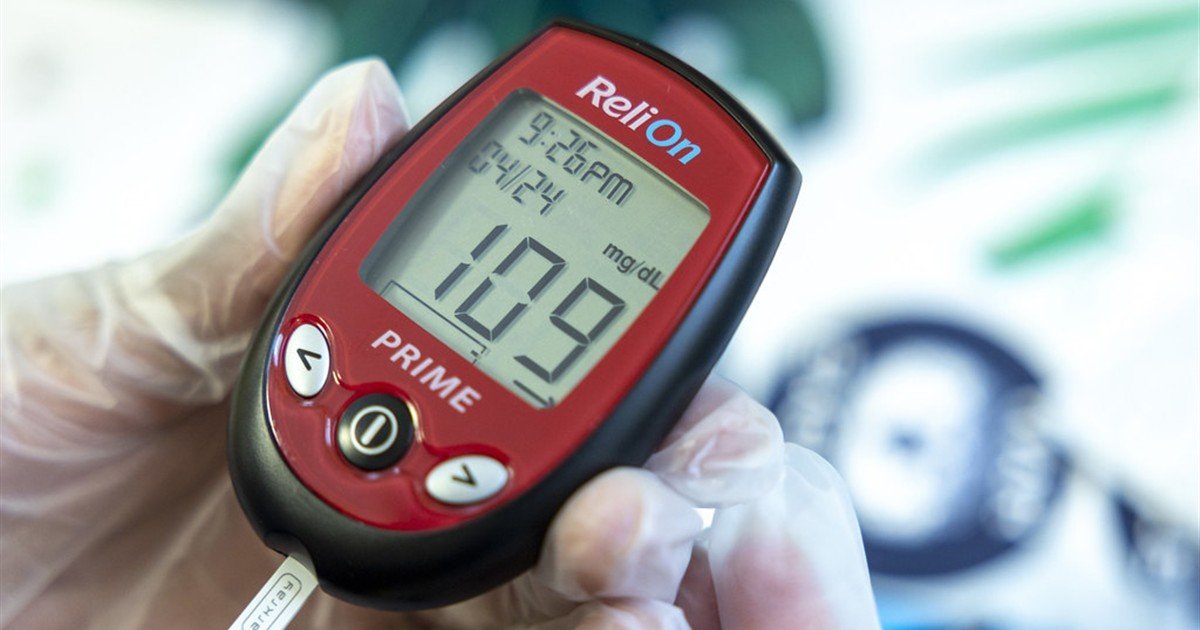
One caution on home fingerstick meters: they are for patterns, not panic. Single readings vary with hydration, hand-washing, and the meter's own margin of error. Trends across days matter; one odd Tuesday number does not. And no home device replaces the lab A1C, which is the number your doctor treats and your effort ultimately answers to.
When This Stops Being a DIY Project
Lifestyle is first-line treatment for prediabetes and a permanent co-treatment for diabetes, but some situations need medical management now: fasting glucose repeatedly above 126, A1C at 6.5% or higher, unexplained thirst with frequent urination and weight loss, blurred vision, or slow-healing wounds. Pregnant women with any glucose concern need obstetric care, not experiments. And anyone already on glucose-lowering medication should treat every change in this guide, especially supplements and big carb reductions, as something to coordinate with their prescriber, because success can arrive fast enough to require dose adjustments.
The encouraging truth hiding in all the numbers: glucose control is one of the most responsive systems in your body. The walk you take after dinner tonight shows up in your bloodstream tonight. Ninety days of the boring basics shows up in an A1C your doctor will ask you to explain.
Frequently Asked Questions
How fast can blood sugar improve with lifestyle changes?
Post-meal spikes respond within days to food order and walking. Fasting glucose usually moves within 2 to 6 weeks. A1C, which reflects a three-month average, needs a full 90 days to show your effort honestly.
What should I eat first at a meal?
Vegetables and protein before starches. Eating carbohydrates last slowed glucose spikes significantly in controlled studies, and it costs nothing: same plate, different order.
Can prediabetes be reversed?
Often, yes. Landmark prevention research found that modest weight loss and about 150 minutes of weekly activity cut progression to type 2 diabetes by more than half. The window is real but it rewards early action.
Do blood sugar supplements work?
A few ingredients, like berberine, cinnamon, and chromium, have supportive studies, mostly as additions to diet and movement rather than replacements. Anyone on diabetes medication must involve their doctor first, because combined effects can drop glucose too far.