
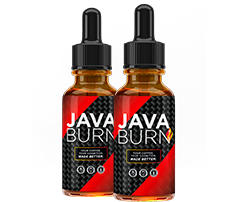
Introduction & What Is Java Burn?
Most weight-management supplements ask you to add something to your day: another capsule, another shake, another routine to remember. Java Burn's pitch is the opposite. It is a flavorless powder in single-serve packets that you stir into the coffee you already drink, and its entire identity is built on that convenience. No new habit, no taste change, no pills.
Behind the marketing hook sits a fairly conventional formula: green tea extract, green coffee bean extract, L-theanine, L-carnitine, chromium, and a small B-vitamin and vitamin D complex, according to the manufacturer's published label. These are among the most familiar ingredients in the metabolic-support category, which cuts both ways: they are widely studied, and their limits are widely documented.
Java Burn is aimed at adults who feel their metabolism has slowed, who drink coffee daily, and who want a low-effort addition to a weight-management routine. The manufacturer positions it as support for the "speed and efficiency" of metabolism when combined with coffee, not as a treatment for obesity or any medical condition, and that distinction will stay in focus throughout this review.
Below: the ingredient-by-ingredient evidence, the claimed coffee synergy examined honestly, pros and cons, full pricing and refund details, and the questions buyers actually ask. Disclosure, as on every page of this site: we are independent reviewers, not the product's makers, and purchases through our links may earn us a commission at no additional cost to you.
How Does It Work?
Java Burn's proposed mechanism rests on three ideas. The first is thermogenesis support: green tea catechins (especially EGCG) and caffeine have been studied together for small increases in energy expenditure. The second is glucose handling: chlorogenic acid from green coffee beans and the trace mineral chromium both appear in research on post-meal glucose response and insulin sensitivity, with mixed results. The third is smoothing coffee itself: L-theanine, an amino acid from tea, is studied for taking the jittery edge off caffeine, which is less about fat and more about making the daily vehicle, coffee, more pleasant.
The "synergy with coffee" framing deserves an honest note. Coffee already contains caffeine and chlorogenic acids; Java Burn adds compounds that appear alongside caffeine in much of the published research. Pairing them is plausible positioning rather than a documented multiplication effect: no independent study has tested this specific powder in coffee against coffee alone. That is a manufacturer's claim, not a clinical finding, and we treat it as such.
The wider scientific picture: individual ingredients here have real published research, and some meta-analyses of green tea catechins with caffeine report modest reductions in body weight. The effects, where found, are small, typically a kilogram or two over months, results are inconsistent between studies, and no ingredient in this formula produces meaningful weight loss without changes to diet and activity. Anyone expecting a supplement to outwork eating patterns will be disappointed by this or any product in the category.
Core Ingredients Analysis
| Ingredient | What the manufacturer includes it for | Evidence snapshot |
|---|---|---|
| Green tea extract (EGCG) | The formula's main metabolic bet, paired with coffee's caffeine. | Meta-analyses report small, inconsistent effects on weight; most studies combined catechins with caffeine. |
| Green coffee bean extract | Source of chlorogenic acid for glucose metabolism. | Small trials suggest modest effects on weight and glucose; study quality is frequently criticized. |
| L-theanine | Smooths caffeine's edge; calm alertness. | Reasonably consistent research on attention and caffeine-jitter reduction; no direct weight effect. |
| L-carnitine | Amino acid involved in fatty-acid transport. | Supplementation shows little effect in people without deficiency; modest findings in some populations. |
| Chromium | Trace mineral tied to insulin function and cravings. | Best evidence is in people with documented low status or glucose issues; effects otherwise small. |
| Vitamins D3, B6, B12 | Baseline micronutrient support for energy metabolism. | Well-established nutrition science; benefits mainly when correcting a deficiency. |
What stands out positively: every ingredient is named and researchable, the selection is coherent with the stated mechanism, and nothing in the formula is exotic or untraceable. The single-serve packet format also removes dosing guesswork.
What deserves scrutiny: the manufacturer does not publish full per-packet doses for every component, so comparing against studied doses requires reading the label at purchase. And the entire formula leans on ingredients whose published effects, where they exist, are modest. Expectations should be sized accordingly.
Safety notes: the formula adds catechins and other caffeine-adjacent compounds on top of the coffee you already drink, so people sensitive to caffeine, pregnant or nursing women, and anyone on blood sugar, blood pressure or thyroid medication should talk to a doctor before use. Green tea extract in high doses has been associated with rare liver effects, another reason to keep total intake sensible and a physician informed. For context on why midsection fat resists dieting in the first place, see our article on why belly fat is so hard to lose.
Real User Benefits & Drawbacks
Pros
- Zero-effort format: dissolves into the coffee you already drink; no pills, no flavor change reported by most users.
- Named, familiar, researchable ingredients rather than a mystery blend.
- L-theanine inclusion addresses the jitters that make plain caffeine unpleasant for some people.
- 60-day money-back guarantee processed through ClickBank's retail system, independent of the vendor.
Cons
- No independent trials of the finished product; the evidence lives at the ingredient level and is modest there.
- The coffee "synergy" is marketing framing, plausible pairing, not a demonstrated multiplication effect.
- Per-ingredient doses are not fully disclosed in marketing materials; label reading required.
- Meaningful results still depend on diet and activity, which the sales page underplays.
Pricing, Packages & Refund Policy
Java Burn is sold in 30-packet pouches (a 30-day supply) through the official website only. At the time of writing, a single pouch is listed at a promotional price of around $69 against a stated regular price of $79, with 3-pouch and 6-pouch bundles bringing the per-pouch price down to roughly $49 and $39 respectively. Shipping terms vary by package. As with every ClickBank offer, treat these numbers as a snapshot and confirm live pricing on the official page.
For scale when choosing a package: the green tea catechin studies behind this category typically ran 8 to 12 weeks, while one pouch covers 30 days.
The stated refund policy is a 60-day money-back guarantee on every package bought through the official website. Keep the order confirmation email; refunds go through ClickBank's standard retail support rather than through the vendor alone.
How It Compares to the Alternatives
Against plain coffee and green tea: the cheapest version of Java Burn's mechanism is drinking coffee and green tea, which deliver caffeine, catechins and chlorogenic acids for pennies. The supplement's case is concentration and convenience, not a different mechanism. That is a real but modest advantage, and it is fair to weigh it against the price.
Against other metabolic blends: the category is crowded with capsule products built on the same green-tea-plus-chromium chassis. Java Burn's genuine differentiators are the dissolve-in-coffee format and packet dosing; its evidence base is the same as everyone else's, because the ingredients are the same.
Against lifestyle-first: a caloric deficit, adequate protein, resistance training and sleep have evidence no supplement approaches. Published effects for this ingredient class are measured in a kilogram or two over months; changed eating patterns are measured in far more. Any contribution from Java Burn is additive to that foundation, never a replacement.
Against medical options: for people with obesity or metabolic disease, modern prescription treatments have large-trial evidence that dwarfs anything in the supplement aisle. That conversation belongs with a doctor, and no coffee powder is a substitute for it.
What the Independent Research Actually Says
The metabolic-supplement category runs on borrowed science, so let's look at sources with nothing to sell.
Green tea's real numbers. The NIH's complementary-health center maintains a plain-language summary of green tea research, including its weight findings: effects are small and inconsistent. You can go deeper in this PubMed search on catechins and weight, where meta-analyses cluster around modest, sometimes non-significant reductions.
Green coffee's cautionary tale. Chlorogenic acid rose to fame on small trials that were later heavily criticized; the arc is visible in this PubMed search on green coffee extract. Some effect signals persist in newer work, but study quality remains the recurring complaint.
Caffeine itself. MedlinePlus keeps a sober overview of caffeine, its genuine metabolic effects, its limits, and who should cap their intake. Worth reading before adding stimulant-adjacent compounds on top of a coffee habit.
The regulatory frame. Java Burn, like every supplement, is regulated as food under the FDA's dietary supplement framework: no pre-market efficacy review. That is why the refund policy carries real weight in our verdict, it is the only guarantee in the transaction.
The wider context. The premise behind this product rests on what caffeine does to metabolism, which is measurable and smaller than the category suggests. Our guide to coffee and metabolism covers the size of the effect, how tolerance changes it, and what the additive ingredients have behind them.
What to Expect: A Realistic Timeline
- Days 1–7: If you notice anything, it will be the L-theanine smoothing coffee's edge, steadier alertness, fewer jitters. Weight will not change measurably in a week from any supplement.
- Weeks 2–8: The window where catechin studies ran. If you are pairing the product with a genuine calorie deficit, track weight weekly and waist monthly; the supplement's contribution, if any, will be too small to separate from the diet's by feel.
- Weeks 9–12: Fair-verdict territory. If tracked numbers have not moved and habits have been consistent, the product is not moving them, and the 60-day window for a refund closes inside this period, so decide from your notes, not impressions.
Throughout: keep total caffeine reasonable, and loop in a doctor if you take any prescription medication or have blood pressure, heart or liver concerns.
Who the Evidence Applies To, and Who Should Avoid It
Supplement research is conducted in specific populations, and the results do not transfer automatically to everyone who reads a sales page. That distinction is worth spelling out here, because the green tea catechin studies this product borrows from were mostly run in adults with overweight or obesity who were also following calorie-controlled diets. In other words, the modest effects reported were measured on top of dietary change, not instead of it. Someone hoping the powder will act while eating patterns stay the same is outside the population the evidence describes.
The people for whom the research is least applicable are those already consuming substantial caffeine. The studied effect of catechins is repeatedly tied to caffeine co-administration, and someone drinking four or five cups of coffee daily is already at the upper end of what most guidance considers reasonable. Adding a catechin-and-caffeine-adjacent product on top does not extend the studied dose-response; it moves the person toward the intake ceiling where side effects, disturbed sleep, elevated heart rate, anxiety, become the more likely outcome than any metabolic benefit.
Several groups should avoid this category or clear it with a doctor first. Anyone taking blood-pressure, blood-sugar or thyroid medication has plausible interaction routes through both caffeine and chromium. Pregnant and nursing women are excluded from essentially all of the underlying research. People with a history of liver problems deserve particular caution: high-dose green tea extract has been associated with rare hepatotoxicity, which is documented well enough that regulatory bodies in several countries have examined it. People with anxiety disorders or arrhythmias frequently find added stimulant load counterproductive regardless of what the label promises.
There is also a group for whom the honest answer is that nothing in this category is the right tool. If weight has changed substantially without a change in habits, if fatigue accompanies it, or if the pattern has shifted suddenly, those are medical questions with real differential diagnoses, thyroid function among them. A coffee additive cannot investigate any of them, and time spent hoping it will is time a treatable cause goes unexamined.
Frequently Asked Questions
What is Java Burn?
A flavorless powdered supplement in single-serve packets, designed to be stirred into coffee once a day. The formula combines green tea extract, green coffee bean extract, L-theanine, L-carnitine, chromium and B vitamins. It is a dietary supplement, not a medication.
Does Java Burn work for weight loss?
Some ingredients, notably green tea catechins and chlorogenic acid, have been studied for modest metabolic effects, but results are inconsistent and the finished formula has no independent clinical trials. The available evidence is insufficient to conclude it produces meaningful weight loss on its own.
Do you have to take it with coffee?
The manufacturer designed and markets it around coffee. The ingredients do not chemically require coffee, so the pairing is a positioning and habit choice more than a documented requirement.
Does it change the taste of coffee?
It is marketed as tasteless and dissolvable, and user reports largely agree. Individual perception varies.
Where is it sold and what is the refund policy?
Only through the official website, with checkout via ClickBank and a 60-day money-back guarantee processed through ClickBank's standard retail support.
Final Verdict: Is Java Burn a Scam or Legit?
Java Burn is structurally legitimate: a named-ingredient formula sold through ClickBank's retail platform with a functioning 60-day refund route that does not depend on the vendor's goodwill. Nothing about the product's construction is a trap, and its ingredients are mainstream ones with real, if modest, research behind them individually.
Legitimacy is not efficacy. The finished formula is untested in independent trials, the published effects of its ingredient class are small, and the coffee-synergy framing is marketing rather than science. The evidence-supported sequence remains: eating pattern, activity, and sleep first; a doctor's input if there is a medical question; and only then, optionally, a convenience product like this as an unproven addition whose main verifiable benefit is making a coffee habit feel like part of a plan.
Our rating: 4.0/5. Honest format, familiar researchable ingredients, and a solid refund window; docked for undisclosed per-ingredient dosing, the absence of product-level trials, and a synergy claim the literature does not document.